
Iron is an essential mineral your body needs to produce hemoglobin, a protein in red blood cells that carries oxygen throughout your body. When your iron levels drop, your body may struggle to produce healthy red blood cells.
Iron deficiency occurs when your body doesn’t have enough iron. It can develop before your hemoglobin levels fall, meaning you can have low iron without anemia. If the deficiency continues, it may lead to iron-deficiency anemia, causing fatigue, weakness, and dizziness.
Women are more vulnerable to low iron levels due to menstrual blood loss, pregnancy, insufficient dietary iron, and certain conditions that affect iron absorption.
The problem is that iron deficiency often develops gradually. You might mistake early signs, such as tiredness or reduced energy, for stress or poor sleep.
If you experience persistent fatigue, frequent dizziness, or heavy menstrual bleeding, consult a healthcare professional. Blood tests, including a complete blood count and ferritin test, can help identify iron deficiency and determine the next steps.
Table of Contents
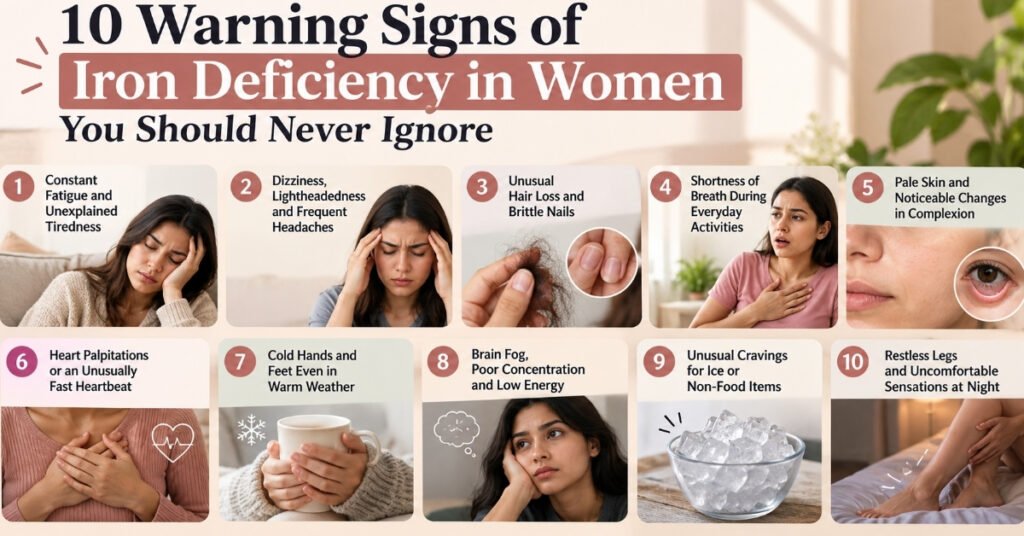
10 Warning Signs of Iron Deficiency in Women You Should Never Ignore
Iron deficiency can affect your energy, concentration, and everyday activities. Some symptoms develop slowly, making them easy to dismiss as stress or a busy lifestyle. Here are four warning signs worth paying attention to.
1. Constant Fatigue and Unexplained Tiredness
Do you feel exhausted even after a full night’s sleep? Persistent fatigue is one of the common symptoms of iron-deficiency anemia.
When your body lacks enough iron to produce hemoglobin, your red blood cells may struggle to deliver sufficient oxygen to your tissues. This can leave you feeling unusually weak, drained, or less energetic than usual.
Unlike normal tiredness after a busy day, ongoing fatigue may continue even when you get enough rest. If it starts interfering with your daily routine, consider getting medical advice.
2. Dizziness, Lightheadedness, and Frequent Headaches
Feeling dizzy when standing up, experiencing lightheadedness, or dealing with recurring headaches can sometimes be associated with iron-deficiency anemia.
When hemoglobin levels become low, reduced oxygen delivery may contribute to these symptoms. However, dehydration, low blood pressure, migraines, and other conditions can cause similar problems.
If dizziness or headaches happen frequently, persist, or affect your daily activities, consult a healthcare professional instead of assuming low iron is the cause.
3. Unusual Hair Loss and Brittle Nails
Noticing more hair in your brush or unusually weak nails? Iron deficiency may contribute to hair shedding and, in some cases, brittle or spoon-shaped nails.
Iron plays an important role in healthy body functions, including those involved in hair growth. However, hair loss and nail changes can also result from hormonal changes, nutritional deficiencies, thyroid conditions, and other causes.
If these changes are persistent or unusual, a healthcare professional can help identify the underlying reason.
4. Shortness of Breath During Everyday Activities
Do you feel unusually breathless while climbing stairs, walking, or doing simple household tasks? Shortness of breath can be a sign of iron-deficiency anemia.
When hemoglobin levels are low, your blood carries less oxygen. As a result, everyday physical activities may feel more exhausting than usual.
If you experience new or persistent breathlessness during routine activities, seek medical advice. Sudden or severe shortness of breath, especially with chest pain or fainting, requires immediate medical attention.
5. Pale Skin and Noticeable Changes in Complexion
Have you noticed that your skin looks paler than usual? Pale skin can be a sign of iron-deficiency anemia because low hemoglobin levels may reduce the redness of your skin.
You may also notice paleness inside your lower eyelids, on your gums, or around your lips. However, natural skin tone, lighting, and other health conditions can affect how these changes appear.
Skin color alone cannot confirm iron deficiency. If you notice unusual paleness along with persistent fatigue or dizziness, consider getting a medical evaluation.
6. Heart Palpitations or an Unusually Fast Heartbeat
Does your heart sometimes race or pound even when you’re resting? Iron-deficiency anemia can make your heart work harder to deliver enough oxygen throughout your body.
You may experience a faster heartbeat, noticeable pounding, or occasional fluttering sensations. However, palpitations can also result from stress, caffeine, dehydration, or heart rhythm problems.
Don’t ignore persistent or recurring palpitations. Seek medical advice, especially if they occur alongside fatigue or breathlessness. Chest pain, fainting, or severe breathing difficulties require urgent medical attention.
7. Cold Hands and Feet Even in Warm Weather
If your hands and feet often feel unusually cold, low iron levels may be one possible explanation, particularly if you also have anemia.
Reduced oxygen delivery and changes in circulation associated with anemia may contribute to feeling cold. However, cold extremities can also result from thyroid problems, circulation issues, or simply cold surroundings.
Pay attention if unusual sensitivity to cold occurs alongside other symptoms, such as persistent tiredness, weakness, or dizziness.
8. Brain Fog, Poor Concentration, and Low Energy
Finding it difficult to concentrate, remember things, or stay mentally alert? Iron deficiency may contribute to these problems, particularly when it affects your energy levels or leads to anemia.
You might struggle to focus at work, lose track of simple tasks, or feel mentally exhausted even after completing routine activities.
These symptoms can have several causes, including poor sleep, stress, and other nutritional deficiencies. If brain fog continues to affect your daily life, speak with a healthcare professional.
9. Unusual Cravings for Ice or Non-Food Items
Do you frequently crave chewing ice or feel an urge to eat substances that aren’t food? This unusual behavior is known as pica and can be associated with iron deficiency.
Some people with low iron experience pagophagia, a specific craving for ice. Others may develop cravings for substances such as clay or soil.
Repeated cravings for ice or non-food items deserve medical attention. A healthcare professional can check your iron levels and help identify the cause. Avoid eating non-food substances, as they may contain harmful contaminants.
10. Restless Legs and Uncomfortable Sensations at Night
Do you experience an uncomfortable urge to move your legs when you’re sitting or trying to sleep? This may be a sign of restless legs syndrome (RLS), a condition associated with low iron stores in some people.
You might notice crawling, tingling, or pulling sensations in your legs that become worse during rest and improve temporarily when you move.
These sensations can make it difficult to fall asleep and leave you feeling tired the next day. If they repeatedly disrupt your sleep, consult a healthcare professional. Checking iron levels may be helpful, especially when restless legs occur alongside other possible signs of iron deficiency.
What Causes Iron Deficiency in Women?
Iron deficiency can develop for several reasons, including blood loss, increased iron requirements, insufficient dietary intake, or problems with iron absorption. Understanding the underlying cause is essential because improving your diet alone may not be enough to restore healthy iron levels.
Heavy Menstrual Bleeding and Long or Irregular Periods
Heavy menstrual bleeding is one of the common causes of iron deficiency in women. When you lose more blood than usual during your periods, your body also loses iron. Over time, repeated blood loss can gradually deplete your iron stores.
Pay attention if your periods:
- Last longer than seven days.
- Require changing pads or tampons every one to two hours.
- Include large blood clots or unusually heavy bleeding.
- Interfere with your daily activities due to excessive blood loss.
If you experience these symptoms, consult a healthcare professional. Identifying and treating heavy menstrual bleeding can help prevent recurring iron deficiency.
Pregnancy, Childbirth, and Increased Iron Requirements
During pregnancy, your body needs more iron to support increased blood volume, your baby’s growth, and the development of the placenta.
If your iron intake doesn’t meet these increased needs, your iron stores may become depleted. Blood loss during childbirth can further reduce iron levels, especially if you already had low iron during pregnancy.
Regular prenatal checkups and recommended blood tests help identify deficiencies early. Your healthcare professional can advise whether iron supplements are necessary.
Low Iron Intake and Poor Dietary Absorption
Your diet plays an important role in maintaining healthy iron levels. If you regularly eat too few iron-rich foods, your body may not get enough iron to replace what it loses.
Common dietary sources include lentils, beans, spinach, meat, seafood, and iron-fortified cereals. However, eating iron-rich foods doesn’t always guarantee adequate absorption.
Certain digestive conditions, such as celiac disease, can interfere with iron absorption. Drinking tea or coffee with meals can also reduce the absorption of iron from plant-based foods.
Combining iron-rich foods with vitamin C sources, such as oranges, tomatoes, or bell peppers, can help your body absorb more iron.
Underlying Medical Conditions and Other Sources of Blood Loss
Sometimes, iron deficiency develops because of an underlying medical condition rather than diet or menstrual bleeding.
Conditions that may contribute include:
- Gastrointestinal bleeding caused by ulcers or other digestive problems.
- Celiac disease and certain intestinal conditions that affect nutrient absorption.
- Frequent blood donation, which can gradually reduce iron stores.
- Other sources of ongoing blood loss that may not be immediately noticeable.
If your iron levels remain low despite dietary changes or treatment, your healthcare professional may recommend further tests to identify the cause.
Understanding why your iron levels are low is just as important as treating the deficiency. Addressing the underlying problem can help prevent it from returning.
How to Confirm Iron Deficiency and Know When to See a Doctor
Experiencing constant fatigue, dizziness, or unusual hair loss? These symptoms may indicate iron deficiency, but they can also have other causes. The most reliable way to confirm low iron levels is through appropriate blood tests and a medical evaluation.
Blood Tests That Help Identify Low Iron Levels
Your healthcare professional may recommend a few blood tests to check your iron status and identify possible anemia.
- Complete blood count (CBC): Measures different blood components, including red blood cells, and helps identify anemia.
- Hemoglobin test: Measures the protein responsible for carrying oxygen in your blood. Low hemoglobin may indicate anemia.
- Ferritin test: Measures the protein that stores iron in your body. Low ferritin levels can indicate depleted iron stores, even when hemoglobin is normal.
Remember, you can have iron deficiency without anemia. Your doctor may also recommend additional tests, such as transferrin saturation, depending on your symptoms and medical history.
When Symptoms Should Prompt Medical Attention
Don’t ignore symptoms that persist, worsen, or interfere with your daily routine. Consider booking a medical appointment if you experience:
- Persistent fatigue or unexplained weakness.
- Frequent dizziness, headaches, or unusual breathlessness.
- Heavy menstrual bleeding or other unexplained blood loss.
- Several possible iron deficiency symptoms occurring together.
Seek urgent medical attention if you experience chest pain, fainting, or severe shortness of breath. These symptoms may indicate a serious condition and should not be assumed to be caused by low iron.
Why Self-Diagnosis and Unsupervised Iron Supplements Can Be Risky
Fatigue, hair loss, dizziness, and poor concentration can result from many conditions, including thyroid disorders, vitamin deficiencies, sleep problems, and other health issues. Assuming iron deficiency is the cause may delay the right diagnosis.
Taking iron supplements without confirming a deficiency can also cause nausea, constipation, stomach pain, and other problems. Excessive iron intake can be harmful, particularly for people with certain medical conditions.
A healthcare professional can assess your symptoms, recommend appropriate blood tests, and identify the underlying cause. This helps ensure you receive the right treatment rather than relying on guesswork.
Practical Ways to Improve Iron Levels and Protect Your Health
Improving your iron levels starts with understanding your body’s needs. A balanced diet, better iron absorption, and appropriate medical care can help you maintain healthy iron levels and prevent future deficiencies.
Include More Iron-Rich Foods in Your Daily Diet
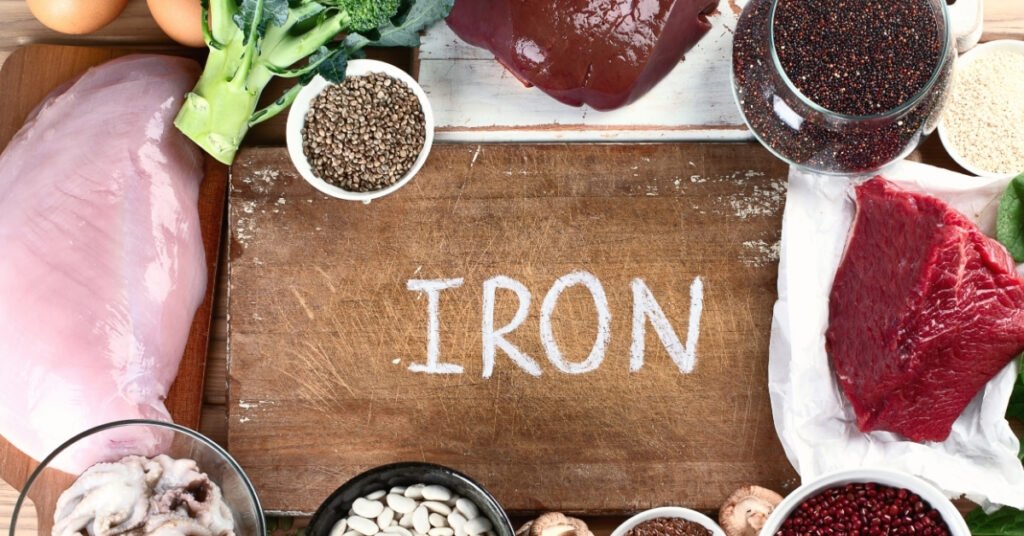
Adding iron-rich foods to your meals is a practical way to support your body’s iron needs. Both vegetarian and non-vegetarian foods can help.
- Vegetarian sources: Lentils, chickpeas, kidney beans, spinach, pumpkin seeds, tofu, and iron-fortified cereals.
- Non-vegetarian sources: Lean red meat, chicken, sardines, and other seafood.
Try including at least one iron-rich food in your main meals. Eating a variety of these foods can help you get iron along with other essential nutrients.
Combine Iron-Rich Foods With Vitamin C
Did you know that vitamin C helps your body absorb more iron from plant-based foods?
Simple food combinations can make a difference:
- Lentils with tomatoes or a squeeze of lemon.
- Spinach and chickpea salad with bell peppers.
- Iron-fortified cereal with strawberries or oranges.
Also, avoid drinking tea or coffee alongside iron-rich meals, as they can reduce iron absorption. Having them between meals may be a better option.
Understand When Iron Supplements May Be Necessary
Dietary changes may help maintain iron levels, but they aren’t always enough to correct an existing deficiency.
If blood tests confirm low iron, your healthcare professional may recommend iron supplements based on your test results, symptoms, and the underlying cause.
Follow the recommended dose and treatment schedule. Taking more iron than advised won’t necessarily speed up recovery and may cause side effects such as nausea, constipation, and stomach discomfort.
Monitor Your Progress and Address the Root Cause
Improving your iron intake is only part of the solution. If heavy periods, digestive conditions, or ongoing blood loss are causing your deficiency, those problems also need attention.
Your healthcare professional may recommend follow-up blood tests to check whether your iron levels are improving and whether treatment needs adjustment.
Be consistent with your recommended treatment, eat a varied diet, and attend follow-up appointments. Addressing the underlying cause is essential to restoring healthy iron levels and reducing the risk of iron deficiency returning.
Conclusion
Iron deficiency in women can develop gradually, making symptoms like constant fatigue, dizziness, hair loss, and poor concentration easy to overlook. Recognizing these warning signs early can help you take better care of your health.
Eating iron-rich foods, improving iron absorption, and following appropriate medical advice can help maintain healthy iron levels. If you experience persistent symptoms, consult a healthcare professional and get the recommended blood tests.
Remember, understanding the cause of iron deficiency is just as important as treating it. Taking the right steps today can help protect your energy, well-being, and long-term health.
Frequently Asked Questions
1. What are the early signs of iron deficiency in women?
Early signs may include constant fatigue, weakness, dizziness, headaches, poor concentration, and reduced stamina. Some women may also experience hair loss or unusual cravings for ice.
2. What causes iron deficiency in women?
Common causes include heavy menstrual bleeding, pregnancy, insufficient iron intake, and conditions that affect iron absorption. Ongoing blood loss can also contribute to low iron levels.
3. How can women increase their iron levels naturally?
Eating iron-rich foods such as lentils, beans, spinach, meat, seafood, and iron-fortified cereals can help. Combining plant-based iron sources with vitamin C-rich foods improves iron absorption.
4. How do I know if I have iron deficiency without anemia?
You may have low iron stores even when your hemoglobin levels are normal. A ferritin blood test can help identify depleted iron stores. Consult a healthcare professional for proper testing and interpretation.
5. How long does it take to recover from iron deficiency?
Recovery time varies depending on the severity of the deficiency, its underlying cause, and the treatment used. Some people begin feeling better within a few weeks, but restoring iron stores may take several months. Follow-up blood tests can help monitor your progress.