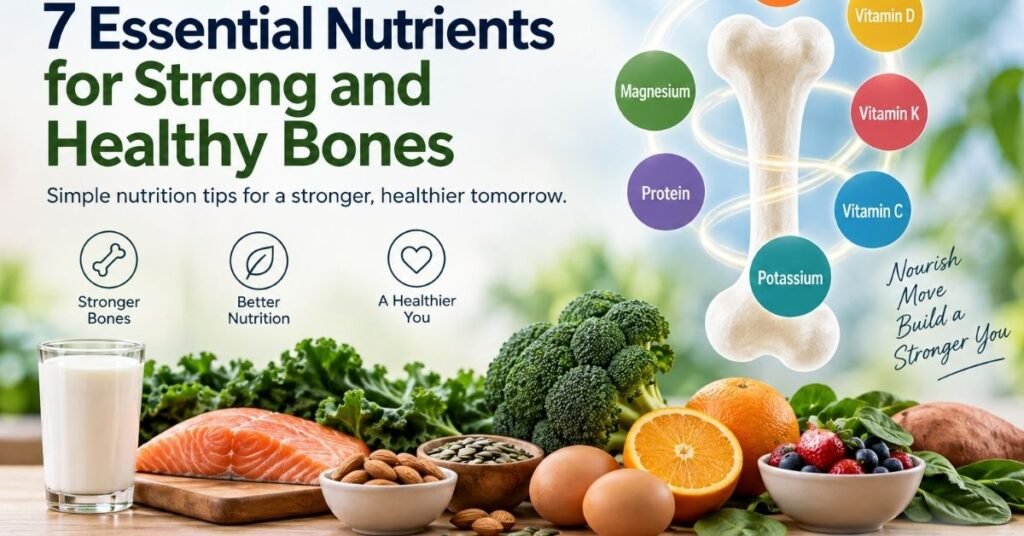
When you think about strong, healthy bones, calcium is probably the first nutrient that comes to mind. Calcium is important, but your bones need more than calcium alone. Several nutrients work together to support bone structure, maintenance, and normal bone function throughout life.
This article explores seven important nutrients for bone health: calcium, vitamin D, magnesium, vitamin K, protein, vitamin C, and potassium. Each nutrient has a different role, and understanding those roles can help you make better choices about the foods you eat.
The good news is that many bone-supporting nutrients can be found in everyday foods, including dairy products, leafy greens, beans, nuts, seeds, fish, fruits, vegetables, and fortified foods. However, individual nutritional needs can vary, so people with deficiencies, medical conditions, or concerns about supplements should speak with a qualified healthcare professional.
Table of Contents
Why Do Your Bones Need Essential Nutrients?
Have you ever wondered why bone health depends on more than just calcium? Your bones are living tissue that continuously undergoes a process called remodeling. During this process, old bone is removed and new bone is formed. Your body needs a range of nutrients to support these normal processes.
How Nutrition Supports Bone Structure and Maintenance
Calcium provides an important mineral component of your bones, while vitamin D helps your body absorb and use calcium effectively. Protein supports the collagen framework of bone, and nutrients such as magnesium, vitamin K, and vitamin C are involved in processes related to bone formation and maintenance.
This is why a varied, balanced diet matters. Instead of focusing on one “bone-strengthening” nutrient, aim to regularly include a range of nutrient-rich foods such as dairy products, fish, beans, leafy greens, fruits, vegetables, nuts, and seeds.
What Happens When Your Diet Lacks Important Nutrients?
Consistently getting too little of certain nutrients can make it harder for your body to meet its normal nutritional needs. For example, inadequate calcium or vitamin D can affect normal bone health, while insufficient protein can make it harder to maintain the body’s tissues.
However, nutrition is only one part of bone health. Age, physical activity, genetics, hormones, medications, and certain health conditions can also influence your bones. If you are concerned about your nutrient intake or bone health, a healthcare professional can help determine what you may need.
1. Calcium
Calcium is one of the most important nutrients for healthy bones. Almost all of the calcium stored in your body is found in your bones and teeth, where it helps provide their structure and hardness. Your body also needs calcium for normal muscle, nerve, and other functions.
How Much Calcium Do You Need?
Your calcium needs depend on your age and sex. For most adults ages 19–50, the recommended amount is 1,000 mg per day. Women ages 51 and older and adults over 70 generally need 1,200 mg per day.
| Age Group | Recommended Calcium Per Day |
|---|---|
| 1–3 years | 700 mg |
| 4–8 years | 1,000 mg |
| 9–18 years | 1,300 mg |
| Adults 19–50 | 1,000 mg |
| Women 51–70 | 1,200 mg |
| Adults 71+ | 1,200 mg |
These are general recommendations for healthy people. Individual needs can vary depending on health and nutritional circumstances.
What Foods Are Rich in Calcium?
You don’t necessarily need supplements to get calcium. Milk, yogurt, and cheese are rich sources, while calcium can also come from foods such as canned sardines or salmon with bones, kale, broccoli, calcium-fortified beverages, fortified tofu, and some cereals.
A practical approach is to include calcium-rich foods regularly throughout your day rather than relying on a single food or supplement. If you have difficulty meeting your needs because of dietary restrictions, a healthcare professional can help you choose suitable alternatives.
2. Vitamin D
Vitamin D plays an important role in bone health because it helps your body absorb calcium from the digestive system. Without enough vitamin D, your body may have difficulty maintaining adequate calcium levels for normal bone function. Together, calcium and vitamin D support healthy bones.
Where Can You Get Vitamin D?
Very few foods naturally contain significant amounts of vitamin D. Fatty fish such as salmon, tuna, trout, and mackerel are among the better natural sources. You can also find vitamin D in fortified foods and beverages, including some milk, plant-based drinks, cereals, and other products. Your body can also make vitamin D when your skin is exposed to sunlight.
For adults ages 19–70, the recommended daily amount is 15 mcg (600 IU), increasing to 20 mcg (800 IU) for adults over 70. These are general recommendations, and individual needs can vary.
Who May Need Extra Attention to Vitamin D?
Some people have a greater chance of getting too little vitamin D, including older adults, people who have limited sun exposure, people with darker skin, and people with conditions that affect fat absorption. People with obesity or those who have had gastric bypass surgery may also have different vitamin D needs.
If you are concerned about your vitamin D level, a healthcare professional can determine whether testing or supplementation is appropriate. Avoid taking high doses on your own, as excessive vitamin D from supplements can cause health problems.
3. Magnesium
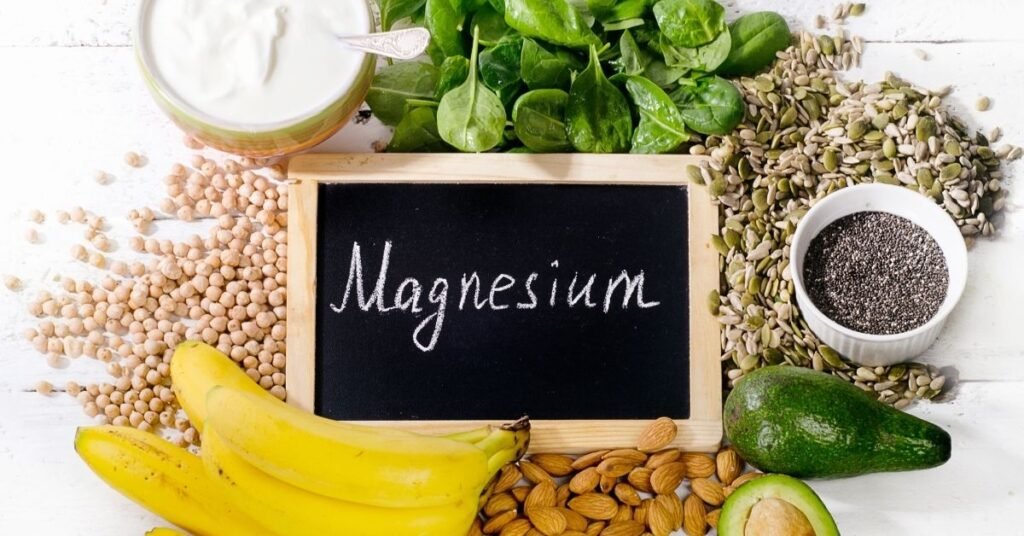
Magnesium is an important mineral that your body needs for many normal functions, and it also contributes to the structural development of bone. About 50% to 60% of the magnesium in an adult body is stored in the bones, highlighting its role in overall bone health.
How Does Magnesium Support Bone Health?
Magnesium is involved in bone formation and helps regulate processes related to calcium and vitamin D. Research has also found associations between higher magnesium intake and greater bone mineral density. However, this does not mean that taking extra magnesium automatically makes bones stronger.
Which Foods Provide Magnesium?
You can get magnesium from a variety of everyday foods. Good sources include leafy green vegetables, beans and other legumes, nuts, seeds, whole grains, and some fortified foods. For example, pumpkin seeds, chia seeds, almonds, spinach, black beans, and whole grains can all contribute meaningful amounts of magnesium.
Do Magnesium Supplements Improve Bone Health?
This is where the evidence needs some context. While magnesium is essential for bone health and observational research has linked adequate magnesium intake with bone mineral density, there is not enough evidence to conclude that magnesium supplements can prevent or treat osteoporosis. More research is needed.
For most people, getting magnesium from a varied diet is a sensible starting point. If you are considering a magnesium supplement, remember that high supplemental doses can cause diarrhea, nausea, and abdominal cramps, and magnesium can interact with certain medications. Discuss supplementation with a healthcare professional if you take medications or have a health condition.
4. Vitamin K
Vitamin K is a fat-soluble vitamin that plays a role in normal blood clotting and bone metabolism. Your body uses vitamin K to activate certain proteins, including osteocalcin, a protein found in bone that is involved in bone mineralization.
Which Foods Provide Vitamin K?
One of the easiest ways to get vitamin K is through vegetables, especially leafy greens. Spinach, kale, collard greens, broccoli, Brussels sprouts, cabbage, and lettuce are useful food sources. Vitamin K is also found in some vegetable oils and fermented or animal-based foods, depending on the type.
Including a variety of vegetables in your regular meals can help you meet your vitamin K needs while also providing other nutrients that support an overall healthy diet.
What Does the Research Say About Vitamin K and Bone Health?
Research has found associations between vitamin K intake and bone health, but the evidence on vitamin K supplements is not conclusive. Some studies suggest potential benefits for bone mineral density or fracture risk, while other clinical trials have not found meaningful improvements. NIH therefore notes that more research is needed to determine whether vitamin K supplements can prevent osteoporosis or improve bone health.
For most people, getting vitamin K from a varied diet is a practical approach. If you take warfarin or another vitamin K-sensitive anticoagulant, however, changes in your vitamin K intake can affect medication effectiveness, so discuss significant dietary or supplement changes with your healthcare professional.
5. Protein
When people think about bone health, protein is often overlooked. But bones are not made of minerals alone. Protein forms an important part of the collagen-rich framework that gives bone its structure, while minerals such as calcium are deposited within that framework.
Why Do Bones Need Protein?
Adequate protein supports the maintenance of bone and other body tissues. Protein also becomes especially important when your body needs to maintain muscle mass, because stronger muscles can support physical activity and help maintain overall mobility.
However, more protein is not automatically better for your bones. The goal is to get an adequate amount as part of a balanced diet that also provides calcium, vitamin D, vegetables, fruits, and other essential nutrients.
What Are the Best Protein-Rich Foods?
You have plenty of options, whether you eat animal-based or plant-based foods. Good sources include eggs, fish, poultry, milk, yogurt, beans, lentils, soy foods, nuts, and seeds.
Choosing a variety of protein sources can make it easier to meet your nutritional needs while also providing other nutrients that contribute to a balanced diet.
Why Is Adequate Protein Intake Important?
Consistently eating too little protein can make it harder for your body to maintain tissues properly. Older adults and people with restricted diets may need to pay particular attention to getting enough protein.
Rather than focusing on one specific “bone-building” food, aim to include a reliable protein source in your regular meals. If you have kidney disease, another medical condition, or specific dietary requirements, speak with a healthcare professional or registered dietitian before making major changes to your protein intake.
6. Vitamin C
Vitamin C is often associated with immunity, but it also has an important role in maintaining healthy bones. Your body needs vitamin C to make collagen, a protein that forms an important structural framework in bones and other connective tissues.
How Does Vitamin C Support Bone Health?
Collagen provides a flexible framework within bone, while minerals such as calcium contribute to its hardness and strength. Vitamin C is required for normal collagen production, making adequate vitamin C intake part of a balanced approach to bone health.
Research has also explored the relationship between vitamin C intake and bone health, but this does not mean that taking high-dose vitamin C supplements will necessarily make your bones stronger. Meeting your nutritional needs is the main goal.
Which Foods Are Rich in Vitamin C?
You can get vitamin C from many everyday fruits and vegetables. Good sources include oranges and other citrus fruits, strawberries, kiwi, guava, bell peppers, broccoli, tomatoes, and potatoes.
Including a variety of fruits and vegetables in your meals can help you get enough vitamin C while also providing fiber and other beneficial nutrients. For most people, a varied diet is a practical way to meet their vitamin C needs.
7. Potassium
Potassium may not get as much attention as calcium or vitamin D, but it is an important mineral for overall health and is part of a nutrient-rich diet that can support healthy bones. Some research suggests that higher potassium intake, particularly from fruits and vegetables, may be associated with better bone health.
How Is Potassium Connected to Bone Health?
Potassium helps maintain normal fluid balance, nerve function, and muscle function. It may also influence the body’s acid-base balance, which researchers have studied in relation to bone metabolism.
However, the evidence does not mean that taking potassium supplements will automatically strengthen your bones. For most people, the focus should be on getting adequate potassium as part of a balanced eating pattern.
Which Foods Are Rich in Potassium?
You can find potassium in many everyday foods, including potatoes, sweet potatoes, bananas, oranges, tomatoes, spinach, beans, lentils, yogurt, and dried fruits.
Adding a variety of fruits, vegetables, legumes, and other nutrient-rich foods to your meals can help you get potassium along with other nutrients your body needs.
How Can You Add More Potassium to Your Diet?
A simple approach is to include a fruit or vegetable with most meals. Try adding a banana or orange to breakfast, beans or leafy greens to lunch, and potatoes or other vegetables at dinner.
If you have kidney disease or have been advised to limit potassium, do not intentionally increase your intake without speaking with a healthcare professional. Your ideal potassium intake can depend on your individual health needs.
Best Foods for Strong and Healthy Bones
| Food | Bone-Supporting Nutrients | Simple Way to Add It |
|---|---|---|
| Yogurt | Calcium, protein | Add fruit and nuts |
| Milk | Calcium, protein, vitamin D if fortified | Have with breakfast |
| Fatty fish | Vitamin D, protein | Add to lunch or dinner |
| Leafy greens | Vitamin K, magnesium, vitamin C | Add to salads or cooked meals |
| Beans and lentils | Protein, magnesium, potassium | Add to soups, curries, or bowls |
| Nuts and seeds | Magnesium, protein | Add to yogurt or oatmeal |
| Broccoli | Vitamin C, vitamin K | Add as a side dish |
| Potatoes | Potassium, vitamin C | Include with a balanced meal |
| Citrus fruits | Vitamin C, potassium | Eat as a snack or breakfast |
| Fortified foods | Calcium and/or vitamin D | Check the nutrition label |
Simple Food Combinations for Bone Health
| Meal | Simple Combination | Nutrients You Can Get |
|---|---|---|
| Breakfast | Yogurt + fruit + nuts | Calcium, protein, vitamin C, magnesium |
| Lunch | Beans + leafy greens + whole grains | Protein, magnesium, vitamin K, potassium |
| Snack | Fruit + yogurt | Calcium, protein, vitamin C |
| Dinner | Fatty fish + potatoes + vegetables | Vitamin D, protein, potassium, vitamin C |
| Vegetarian option | Tofu + leafy greens + beans | Calcium, protein, magnesium, vitamin K |
The goal is not to find one “superfood” for your bones. Instead, include a variety of nutrient-rich foods throughout the day so your diet provides a broader range of nutrients that support overall bone health.

Key Takeaways
Healthy bones need more than calcium alone. The seven nutrients discussed in this guide — calcium, vitamin D, magnesium, vitamin K, protein, vitamin C, and potassium — each play different roles in supporting normal bone health.
A varied, nutrient-rich diet is a practical way to provide your body with these essential nutrients. Include a mix of dairy or fortified foods, fish, beans, leafy greens, fruits, vegetables, nuts, seeds, and other nutritious foods based on your dietary needs.
But nutrition is only one part of the picture. Regular physical activity, muscle-strengthening and weight-bearing exercise, healthy lifestyle habits, age, genetics, medications, and certain health conditions can also influence bone health.
If you are concerned about low bone density, nutrient deficiencies, or whether you need supplements, talk with a qualified healthcare professional for advice based on your individual needs.
Frequently Asked Questions
1. What are the most important nutrients for healthy bones?
Calcium, vitamin D, magnesium, vitamin K, protein, vitamin C, and potassium all contribute to a nutrient-rich diet that supports bone health. Calcium and vitamin D have particularly well-established roles in maintaining normal bones.
2. Is calcium enough to keep bones healthy?
No. Calcium is important, but healthy bones also depend on other nutrients, adequate protein, physical activity, and overall lifestyle. Focusing on a varied diet is more useful than relying on calcium alone.
3. What foods are best for strong and healthy bones?
Dairy and fortified foods can provide calcium, while fish can provide vitamin D and protein. Leafy greens, beans, nuts, seeds, fruits, and vegetables provide other nutrients such as magnesium, vitamin K, vitamin C, and potassium.
4. Do I need supplements for bone health?
Not necessarily. Many people can get essential nutrients from a varied diet. Whether you need a supplement depends on factors such as your diet, age, health conditions, medications, and possible nutrient deficiencies. A healthcare professional can help determine what is appropriate.
5. Does exercise matter for bone health?
Yes. Nutrition is only one part of maintaining healthy bones. Weight-bearing and muscle-strengthening activities can also support bone health and physical function. Your appropriate type and level of exercise can depend on your age and individual health.