
Have you ever forgotten someone’s name, struggled to concentrate, or wondered whether your daily food choices affect your memory? Your brain needs essential nutrients to function properly, and a balanced diet can play an important role in supporting overall brain and cardiovascular health.
The MIND diet is an eating pattern that combines principles of the Mediterranean and DASH diets. It focuses on nutrient-rich foods such as leafy green vegetables, berries, whole grains, nuts, beans, fish, and olive oil. These foods provide nutrients that contribute to a healthy diet and may support brain health as you age.
The MIND diet has gained attention because researchers have studied its potential connection to cognitive health and memory. However, it is important to understand that following this diet does not guarantee better memory or prevent Alzheimer’s disease. Scientific research has produced mixed results, and further studies are needed.
In this guide, you’ll learn how the MIND diet may support brain health, which foods to include in your daily meals, and which foods to limit. You’ll also discover simple ways to follow its principles and understand what research really says about the relationship between the MIND diet and memory.
Table of Contents
What Is the MIND Diet?
The MIND diet is a way of eating that focuses on foods that may support brain health and healthy aging. It combines ideas from two popular eating patterns: the Mediterranean diet and the DASH diet. Instead of asking you to follow strict rules, it encourages you to make healthier food choices and build better eating habits over time.
What Does MIND Stand For?
MIND stands for Mediterranean–DASH Intervention for Neurodegenerative Delay. Researchers developed this diet to explore whether certain eating habits could be linked to better brain health and cognitive function as people get older.
The diet encourages you to eat more leafy green vegetables, berries, nuts, whole grains, beans, fish, and other nutritious foods. These ingredients are easy to include in everyday meals and can help you build a more balanced diet.
How Is the MIND Diet Different From Other Healthy Diets?
The MIND diet shares many similarities with the Mediterranean and DASH diets, but it gives special attention to certain foods associated with brain health.
The Mediterranean diet focuses on vegetables, fruits, whole grains, fish, legumes, and healthy fats. The DASH diet emphasizes balanced eating habits that support healthy blood pressure. The MIND diet brings elements of both approaches together while highlighting foods such as leafy greens and berries.
In simple terms, the MIND diet encourages you to eat more nutritious foods that support your overall health while limiting certain foods that are best enjoyed in moderation.
How Does the MIND Diet Encourage Brain-Friendly Eating?
The MIND diet is not about eating one special food that instantly improves your memory. Instead, it encourages you to make nutritious foods a regular part of your meals.
For example, you could add spinach to your lunch, enjoy berries with breakfast, choose nuts as a snack, or replace refined grains with whole grains. Small changes like these can help you develop healthier eating habits without completely changing your lifestyle.
Research has explored the connection between the MIND diet and cognitive health, but it has not established that the diet can guarantee better memory or prevent Alzheimer’s disease.
Can Anyone Follow the MIND Diet?
The MIND diet offers a flexible approach to healthy eating, making it easier to adapt to different food preferences and lifestyles. You do not need to follow every recommendation perfectly to start making healthier choices.
If you have a medical condition, food allergies, or specific nutritional needs, consider speaking with a registered dietitian or other qualified healthcare professional before making major changes to your diet.
How Does the MIND Diet Support Brain Health?
Your brain works around the clock, helping you think, learn, remember, and make decisions. Just like the rest of your body, it needs a steady supply of energy and essential nutrients to function properly. This is why your everyday food choices can play a role in supporting overall brain health.
The MIND diet focuses on nutritious foods that contribute to a balanced eating pattern. But how exactly might these foods support your brain, and what does scientific research actually tell us?
How Does Nutrition Affect Brain Function?
Your brain needs energy and nutrients to carry out its daily functions. Nutrients such as omega-3 fatty acids, B vitamins, and other essential vitamins and minerals help support normal brain and nerve function.
Foods such as leafy greens, whole grains, beans, nuts, and fish provide a variety of nutrients that can contribute to a healthy diet. Including these foods in your meals may help you meet your nutritional needs and support your overall well-being.
However, eating a particular food does not automatically improve your memory or make you more focused. Brain health depends on several factors, including your overall diet, physical activity, sleep, and general health.
Can the MIND Diet Support Heart and Brain Health?
Your heart and brain are closely connected through your blood vessels. Conditions such as high blood pressure and other cardiovascular risk factors can affect brain health over time.
The MIND diet encourages foods such as vegetables, berries, whole grains, beans, nuts, and fish. These foods can contribute to an overall healthy eating pattern that supports cardiovascular health.
For example, fiber-rich foods may help support healthy cholesterol levels, while a balanced diet can contribute to maintaining healthy blood pressure. These benefits may also be relevant to long-term brain health.
However, the MIND diet should not be viewed as a treatment for cardiovascular disease or a guaranteed way to prevent cognitive decline.
What Does Research Say About the MIND Diet and Memory?
Researchers have studied whether following the MIND diet is associated with better memory and cognitive health as people age.
Some observational studies have found that people who follow the MIND diet more closely tend to have better cognitive outcomes. However, these studies show associations, not proof that the diet itself caused the benefits.
Clinical trial results have been more mixed. In a large study published in 2023, participants who followed the MIND diet experienced improvements in cognitive scores over three years, but the results were not significantly different from those of the comparison diet group.
This means that although the MIND diet remains an interesting area of research, we cannot confidently say that it improves memory or prevents dementia.
What Can the MIND Diet Do for Your Brain Health?
The MIND diet can help you build healthier eating habits by encouraging more vegetables, berries, whole grains, nuts, beans, and other nutrient-rich foods.
Following these principles may help you improve the overall quality of your diet and support your general health. It can also give you a practical framework for making healthier food choices as you get older.
However, the MIND diet cannot guarantee better memory, reverse existing cognitive decline, or cure Alzheimer’s disease. Your brain health is influenced by many factors, and nutrition is just one part of the bigger picture.
The best approach is to focus on consistent, balanced eating habits while also paying attention to sleep, exercise, and other aspects of a healthy lifestyle.
10 Foods to Include in the MIND Diet
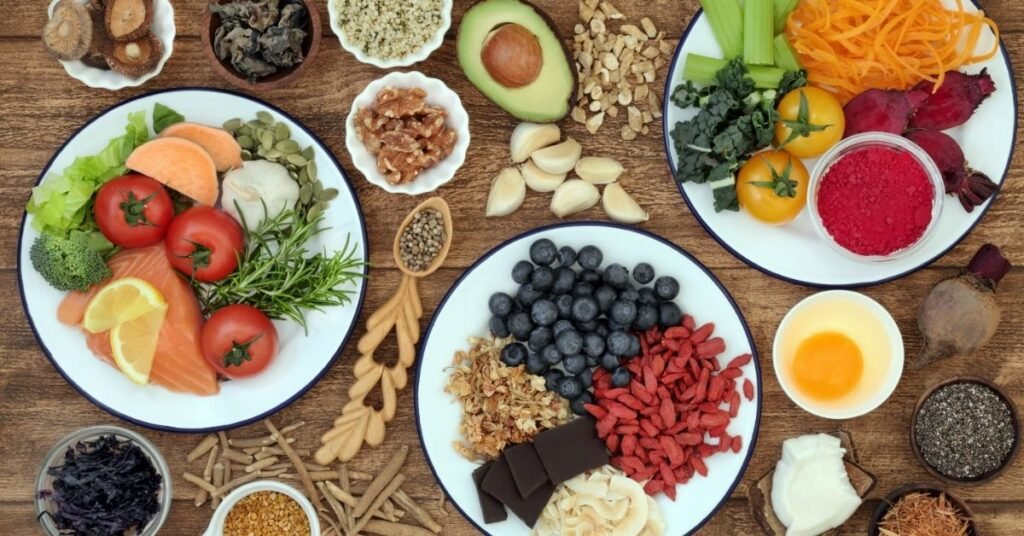
The MIND diet focuses on adding more nutritious foods to your daily meals rather than following complicated food rules. It highlights 10 food groups that form the foundation of this eating pattern, including vegetables, berries, whole grains, nuts, and fish.
These foods provide a variety of nutrients that support a balanced diet and normal body functions. While research has explored their connection to brain health, no individual food can guarantee better memory or prevent cognitive decline. Let’s look at the foods that make up the MIND diet and how you can include them in your everyday meals.
1. Leafy Green Vegetables
Leafy greens are one of the main foods emphasized in the MIND diet. Vegetables such as spinach, kale, collard greens, and lettuce provide folate, vitamin K, and other beneficial nutrients.
Adding leafy greens to your meals is a simple way to increase your vegetable intake. You can mix spinach into an omelet, prepare a fresh salad for lunch, or add greens to soups and other dishes.
Try to make leafy green vegetables a regular part of your weekly meal routine.
2. Other Vegetables
The MIND diet also encourages you to eat a variety of vegetables beyond leafy greens. Broccoli, carrots, bell peppers, cauliflower, and other colorful vegetables can help provide different vitamins, minerals, and plant compounds.
Eating a variety of vegetables is more useful than relying on just one type. You can enjoy roasted vegetables with dinner, add chopped vegetables to sandwiches, or prepare a simple vegetable soup.
If fresh produce is expensive or inconvenient, frozen vegetables can be a practical alternative.
3. Berries
Berries are another important part of the MIND diet. Blueberries, strawberries, raspberries, and other berries contain fiber and plant compounds called polyphenols.
Researchers have studied these compounds for their potential relationship to brain and cardiovascular health. However, eating berries has not been proven to directly improve memory.
You can add berries to oatmeal, yogurt, or smoothies. Frozen berries are also a convenient option when fresh berries are unavailable or expensive.
4. Nuts
Nuts are a convenient source of healthy fats, vitamin E, and other nutrients. Almonds, walnuts, pistachios, and other varieties can fit into a balanced eating pattern.
The MIND diet encourages regular nut consumption because nuts contribute valuable nutrients to your diet. However, they are also energy-dense, so portion sizes are worth considering.
Try adding a small handful of unsalted nuts to your breakfast or enjoying them as a snack instead of highly processed snack foods.
5. Olive Oil
Olive oil is a key ingredient in Mediterranean-style eating patterns and is emphasized in the MIND diet.
Extra-virgin olive oil contains monounsaturated fats and other plant compounds. Replacing some sources of saturated fat with unsaturated fats, such as those found in olive oil, can support a heart-healthy eating pattern.
You can use olive oil in salad dressings, drizzle it over vegetables, or use it in everyday cooking. Remember that olive oil is just one option; other unsaturated oils can also be part of a healthy diet.
6. Whole Grains
Whole grains provide fiber and other nutrients that make them a valuable part of a balanced diet. The MIND diet encourages foods such as oatmeal, brown rice, whole-grain bread, and barley.
Whole grains can be a simple replacement for refined grains in many everyday meals. For example, you can start your morning with oatmeal, choose whole-grain bread for sandwiches, or serve brown rice with vegetables and beans.
If you’re new to whole grains, begin by replacing one refined-grain food at a time.
7. Fish
Fish is an important food group in the MIND diet because it provides protein and, in some varieties, omega-3 fatty acids such as DHA and EPA.
Fatty fish, including salmon, sardines, and trout, are well-known sources of these fats. Omega-3 fatty acids contribute to normal bodily functions, including the structure and function of cell membranes.
You can enjoy grilled fish with vegetables, add canned sardines to a salad, or prepare a simple fish-based meal at home. If you do not eat fish, other nutrient-rich foods can still help you maintain a balanced diet.
8. Beans
Beans are an affordable and versatile source of plant protein, fiber, and other nutrients. The MIND diet encourages foods such as black beans, kidney beans, chickpeas, and lentils.
Adding beans to your meals can make it easier to increase your intake of plant-based foods. You can use them in soups, salads, curries, or grain bowls.
Beans are also a practical choice for people who want nutritious meals without spending too much on groceries.
9. Poultry
Poultry, such as chicken and turkey, is included in the original MIND dietary pattern. These foods provide protein and can be part of a balanced meal.
You can prepare poultry by grilling, baking, or roasting it with vegetables and whole grains. Choosing cooking methods that use less added saturated fat can help support an overall healthy eating pattern.
Remember that poultry is just one protein option. Beans, fish, and other protein-rich foods can also contribute to a varied diet.
10. Wine: What You Should Know
The original MIND diet scoring system included moderate wine consumption as one of its dietary components. However, this does not mean you need to drink wine to follow the MIND diet.
There is no established reason to start drinking alcohol for the purpose of improving brain health. Alcohol can carry health risks, and even moderate consumption may not be appropriate for everyone.
If you do not drink, you can simply leave wine out of your eating pattern. Focus instead on the nutritious foods that form the core of the MIND diet.
5 Foods to Limit on the MIND Diet
The MIND diet is not about giving up all your favorite foods. Instead, it encourages you to eat more nutrient-rich foods while enjoying certain foods in moderation. The goal is to build healthy eating habits that you can maintain over time, rather than follow a strict diet that feels difficult to manage.
The original MIND diet recommends limiting five food groups that are often associated with less healthy dietary patterns. Let’s look at these foods and how you can make balanced choices without feeling restricted.

1. Red Meat
Red meat, including beef, pork, and lamb, is one of the food groups the MIND diet recommends limiting.
You don’t have to stop eating red meat completely. Instead, consider enjoying it less frequently and including other protein sources, such as beans, lentils, fish, or poultry, in your weekly meals.
For example, you could replace a beef-based meal with a lentil dish or grilled fish from time to time. This can help you add more variety to your diet while following the general principles of the MIND diet.
2. Butter and Margarine
The original MIND diet recommends limiting butter and margarine because they can contribute significant amounts of saturated fat, depending on the product.
Butter can still be part of your diet in small amounts. However, you may choose olive oil or other unsaturated oils more often when preparing meals.
Try using olive oil in salad dressings, sautéing vegetables with a small amount of oil, or spreading a suitable unsaturated-fat-based alternative on whole-grain toast.
The goal is to make healthier fat choices more often, not to eliminate every source of fat from your meals.
3. Cheese
Cheese is another food that the original MIND diet recommends limiting. While cheese provides nutrients such as protein and calcium, some varieties are also high in saturated fat and sodium.
You don’t necessarily need to remove cheese from your meals. Instead, pay attention to how often you eat it and how much you consume.
You can enjoy a small portion of cheese with a salad or whole-grain meal. You can also experiment with other sources of protein and calcium, depending on your dietary preferences.
4. Pastries and Sweets
Pastries, cakes, cookies, and other sweets are limited in the MIND diet because they can contain high amounts of added sugars and saturated fats.
That doesn’t mean you can never enjoy dessert. Having a slice of cake at a birthday celebration or enjoying a cookie occasionally can fit into an overall balanced eating pattern.
For everyday meals, try choosing fruit, plain yogurt with berries, or oatmeal with cinnamon when you want something naturally sweet. These options can add variety and valuable nutrients to your diet.
The important thing is to focus on your overall eating habits rather than feel guilty about an occasional treat.
5. Fried and Fast Foods
The MIND diet recommends limiting fried foods and fast foods, which may contain substantial amounts of saturated fat, sodium, or excess calories, depending on how they are prepared.
You don’t have to avoid eating out altogether. Instead, look for simple ways to make more balanced choices when ordering food.
For example, you could choose grilled chicken instead of fried chicken, order a side of vegetables, or enjoy a bean-based meal instead of a heavily fried option.
These small changes can help you maintain a varied diet while still enjoying the convenience of eating out.
Final Thoughts
The MIND diet encourages you to eat more vegetables, berries, whole grains, nuts, beans, and fish. These foods can improve the overall quality of your diet and support healthy aging.
However, the MIND diet cannot guarantee better memory or prevent Alzheimer’s disease. Research is still developing, and nutrition is only one part of brain health.
You do not need to change your entire diet at once. Start with small changes, such as adding more vegetables, choosing whole grains, or replacing some snacks with nuts or fruit.
Regular exercise, quality sleep, stress management, social connections, and routine healthcare also play important roles in overall brain health.
Think of the MIND diet as a flexible guide to healthier eating, not a strict set of rules. Focus on consistent, sustainable choices that fit your lifestyle and support your long-term well-being.
Frequently Asked Questions About the MIND Diet
1. What is the MIND diet?
The MIND diet is an eating pattern that combines ideas from the Mediterranean and DASH diets. It focuses on foods that may support brain health, such as leafy green vegetables, berries, whole grains, nuts, beans, and fish.
2. Can the MIND diet improve memory?
The MIND diet may support overall health and healthy eating habits, but it has not been proven to directly improve memory. Research has shown mixed results, so more studies are needed.
3. What foods should you eat on the MIND diet?
The MIND diet encourages leafy green vegetables, other vegetables, berries, nuts, whole grains, fish, beans, poultry, and olive oil. These foods can help you build a balanced and varied diet.
4. Which foods should you limit on the MIND diet?
The MIND diet recommends limiting red meat, butter and margarine, cheese, pastries and sweets, and fried or fast foods. You do not need to avoid these foods completely; enjoying them occasionally can fit into a balanced diet.
5. Do I need to follow the MIND diet perfectly?
No. The MIND diet is a flexible guide rather than a strict meal plan. Start with small, manageable changes that fit your lifestyle, food preferences, and nutritional needs.